



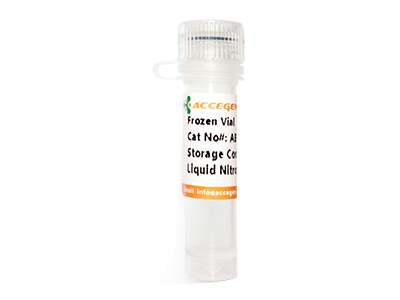
For research use only
| Cat No. | ABC-TC3476 |
| Product Type | Adipose Cells/Preadipocytes |
| Cell Type | Endothelial |
| Species | Human |
| Growth Conditions | 37 ℃, 5% CO2 |
| Source Organ | Adipose |
| Disease | Normal |
| Storage | Liquid Nitrogen |
Access Human Adipose Microvascular Endothelial Cells to model adipose vascularization, endothelial signaling, and microcirculation-related disorders.
Human Adipose Microvascular Endothelial Cells (HAMVECs) are primary endothelial cells isolated from subcutaneous adipose tissue of healthy human donors. These cells exhibit a cobblestone-like morphology under standard culture conditions. Functionally, HAMVECs contribute to adipose tissue homeostasis by forming selective vascular barriers, facilitating fatty acid transcytosis, and secreting PPARγ ligands that modulate adipose tissue metabolism. They are implicated in obesity-related pathologies, including insulin resistance and chronic inflammation, through palmitate-induced activation of TLR4/NF-κB signaling pathway, which impair insulin delivery and promote monocyte adhesion. These cells express high levels of endothelial markers such as CD31, CD34, and von Willebrand factor (vWF), and exhibit depot-specific transcriptional profiles enriched in lipid-handling and Notch signaling pathways. As primary cells, HAMVECs have limited proliferative capacity, requiring low passage numbers for optimal viability and functionality.
| Product Code | HAMEC |
| Species | Human |
| Cat.No | ABC-TC3476 |
| Product Category | Primary Cells |
| Size/Quantity | 1 vial |
| Cell Type | Endothelial |
| Growth Mode | Adherent |
| Shipping Info | Dry Ice |
| Growth Conditions | 37 ℃, 5% CO2 |
| Source Organ | Adipose |
| Disease | Normal |
| Biosafety Level | 1 |
| Storage | Liquid Nitrogen |
| Product Type | Adipose Cells/Preadipocytes |
| Quality Control | All cells test negative for mycoplasma, bacteria, yeast, and fungi. |
Human Adipose Microvascular Endothelial Cells (HAMECs) are widely used in vascular biology, metabolic research, and inflammation studies. Due to their role in angiogenesis, coagulation, and inflammatory responses, these cells are invaluable for studying cardiovascular diseases, obesity-associated inflammation, and insulin resistance. Their ability to secrete PPARγ ligands and regulate fatty acid transcytosis, makes them a valuable tool for investigating adipose tissue metabolism, lipid regulation, and PPARγ signaling pathways—all central to the pathophysiology of metabolic disorders such as obesity and Type II Diabetes. Furthermore, HAMECs contribute to adipose tissue remodeling by promoting preadipocyte proliferation, making them a valuable tool in studies related to adipogenesis, tissue engineering, and depot-specific adipose function.
When you publish your research, please cite our product as “AcceGen Biotech Cat.# XXX-0000”. In return, we’ll give you a $200 coupon. Simply click here and submit your paper’s PubMed ID (PMID).