



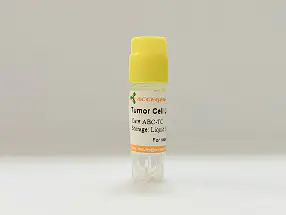
For research use only
| Cat No. | ABC-TC0257 |
| Product Type | Rat Thyroid Cell Lines |
| Species | Rattus Norvegicus |
| Growth Conditions | 37 ℃, 5% CO2 |
| Product Code | FRTL 5; FRTL5; FRTL-5 Cl 2 |
FRTL-5 is a rat thyroid epithelial line with TSH-dependent growth, diploid karyotype, used to model thyroid hormone synthesis and regulatory pathways.
FRTL-5 is a thyroid epithelial cell line derived from the normal thyroid gland of a 5- to 6-week-old Fischer rat. Unlike typical thyroid follicular cells, FRTL-5 grows in adherent clusters with a distinctive three-dimensional architecture featuring, characterized by raised central aggregates. Their proliferation is strictly thyroid-stimulating hormone (TSH)-dependent. They exhibit differentiated thyroid functions including high iodide uptake via NIS, TSH‑stimulated adenylate cyclase activation, and thyroglobulin synthesis and secretion. Although initially reported as diploid, later analysis revealed nondiploid (typically tetraploid) karyotypes (modal chromosome count ≈ 84), which can reduce TSH‑sensitivity in some high‑passage cultures. FRTL-5 cells are non-tumorigenic in vivo. This cell line serves as a unique model for studying thyroid hormone synthesis and regulatory pathways, reflecting physiological behaviors absent in cancerous counterparts. FRTL‑5 is a gold‑standard model for thyroid cell biology, hormone regulation, and functional endocrinology research.
| Product Code | FRTL 5; FRTL5; FRTL-5 Cl 2 |
| Species | Rattus Norvegicus |
| Cat.No | ABC-TC0257 |
| Product Category | Tumor Cell Lines |
| Size/Quantity | 1 vial |
| Shipping Info | Dry Ice |
| Growth Conditions | 37 ℃, 5% CO2 |
| Biosafety Level | 1 |
| Storage | Liquid Nitrogen |
| Product Type | Rat Thyroid Cell Lines |
The FRTL-5 is a robust and widely used model for exploring thyroid physiology and endocrine regulation. It enables in-depth investigation into TSH-regulated processes, including iodide uptake, thyroglobulin synthesis, and sodium-iodide symporter (NIS) activity. FRTL-5 is also used to study the molecular mechanisms of autoimmune thyroid diseases, thyroid hormone metabolism, and the effects of endocrine-disrupting chemicals on thyroid homeostasis. Its non-malignant phenotype and hormone-dependent growth make it particularly suitable for screening thyroid-targeted therapeutics and for modeling conditions such as hypothyroidism and iodine deficiency.
When you publish your research, please cite our product as “AcceGen Biotech Cat.# XXX-0000”. In return, we’ll give you a $200 coupon. Simply click here and submit your paper’s PubMed ID (PMID).